



The Power of Conscious Breath: Exploring Meditative Breathwork Benefits
Many adults seeking personal insight and emotional balance encounter a frustrating barrier when attempting traditional meditation. Sitting in silence with an overactive mind often amplifies feelings of overwhelm rather than alleviating them. For those who find stillness challenging, an active, somatic approach provides a more accessible path to calm. Exploring meditative breathwork benefits offers a practical understanding of how conscious breathing functions as a physical anchor. By engaging the body directly, this practice bypasses the racing mind, creating a structured environment for stress relief, emotional regulation, and deep physical restoration.
The Mechanics of Somatic Practice versus Silent Meditation
Traditional seated meditation frequently asks the practitioner to observe their thoughts without attachment. When the nervous system is highly stimulated from daily stressors, observing a chaotic mind requires immense focus. Individuals often feel they are "failing" at mindfulness when intrusive thoughts persist. This frustration naturally creates a cycle of tension, making relaxation feel impossible.
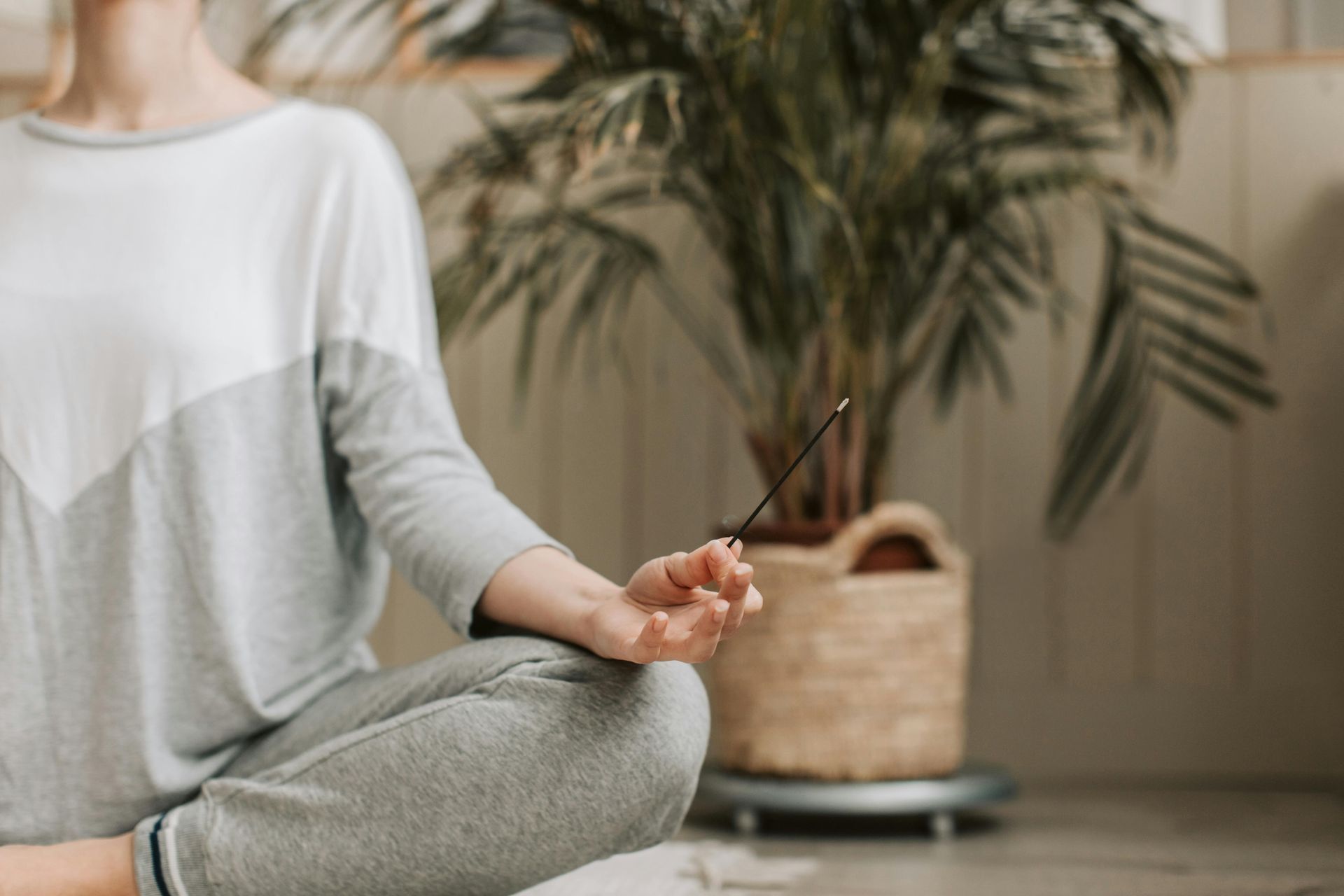
Breathwork shifts the focal point entirely. Instead of attempting to quiet the mind through mental discipline, the practitioner engages in a continuous, rhythmic breathing pattern. This active participation gives the brain a specific, demanding task. The physical mechanics of inhaling and exhaling in a structured, deliberate loop leave little room for external worries. It is a somatic practice, meaning it utilizes the physical body to directly influence the mental and emotional state.
Because the individual is actively engaged in a physical process, the pressure to achieve perfect mental silence disappears. The breath acts as a reliable tether. When attention inevitably wanders, the physical sensation of air moving through the lungs provides an immediate, tangible point of return. This makes it an ideal practice for individuals who experience physical restlessness or anxiety when attempting to sit quietly, offering a tangible tool to ground their energy.

Core Meditative Breathwork Benefits for the Nervous System
The primary physiological mechanism behind this practice involves the autonomic nervous system. Chronic stress keeps the body in a prolonged state of "fight or flight," known clinically as sympathetic dominance. In this elevated state, breathing naturally becomes shallow, heart rate increases, and muscle tension builds in preparation for perceived danger. Understanding meditative breathwork benefits requires examining how specific breathing patterns intentionally disrupt this biological stress cycle.
By consciously altering the depth, pace, and rhythm of the breath, an individual sends direct signals to the vagus nerve. This critical nerve serves as the communication highway between the brain and the major internal organs. Deep, continuous breathing stimulates the parasympathetic nervous system, commonly referred to as the "rest and digest" state.
As the parasympathetic nervous system activates, the physical indicators of stress begin to reverse. The heart rate naturally slows, and blood pressure stabilizes. Furthermore, active breathing increases oxygen flow throughout the entire body, which aids in cellular repair and clears mental fog. This shift from sympathetic to parasympathetic dominance is not merely a psychological feeling of relaxation; it is a measurable, biological response facilitated by conscious, deliberate effort.
What to Expect During a Guided Session
Entering a space for a guided session involves deliberate preparation and care. Unlike solitary practice at home, a facilitated session provides a secure container where an individual can fully surrender to the process without worrying about timing, technique, or external distractions. The practitioner’s primary role is to maintain a safe, grounded environment for exploration.
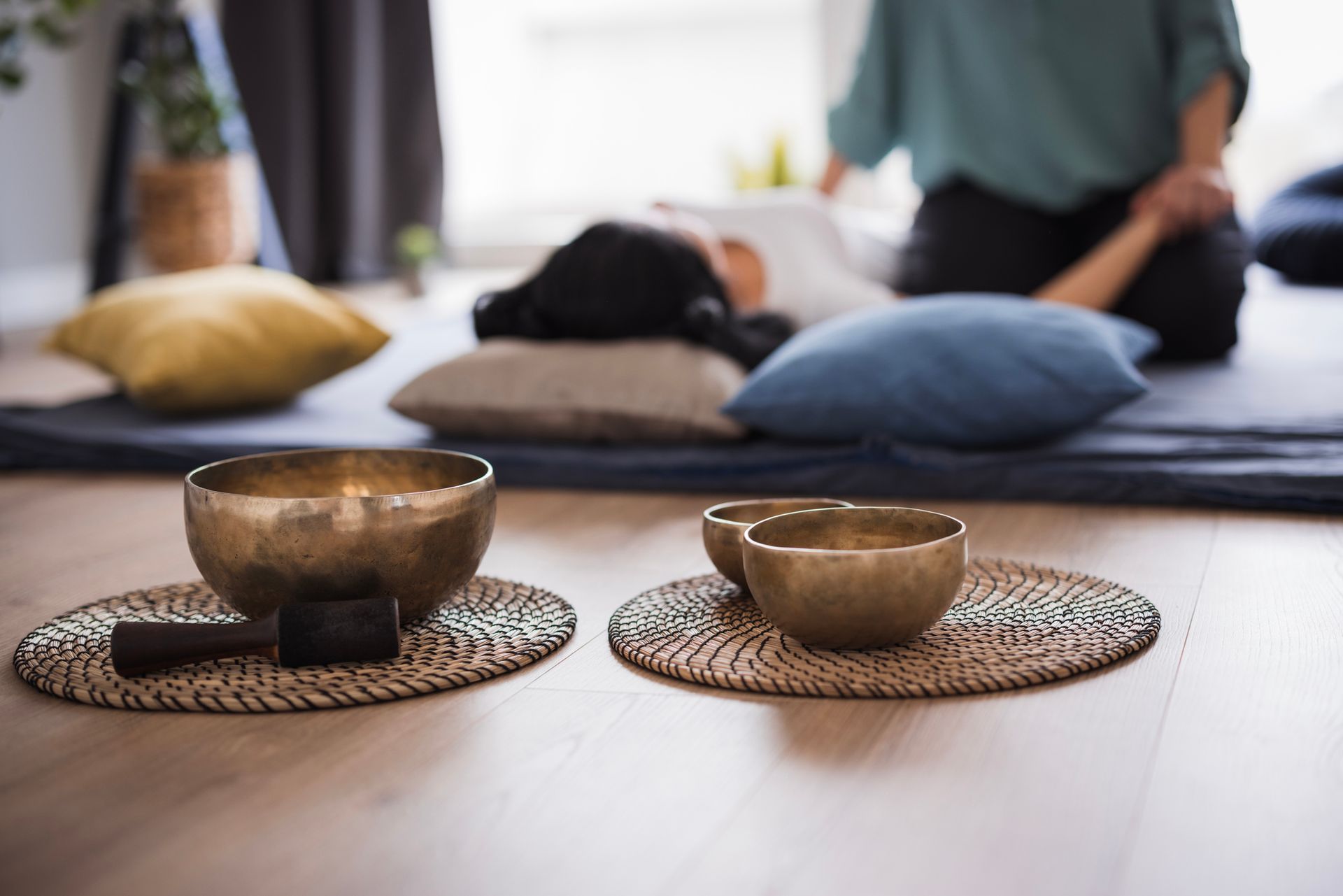
A typical session begins with a period of physical settling. Participants usually lie down on a comfortable mat, supported by heavy blankets and bolsters under the knees or neck. Lying flat allows the diaphragm to expand fully without physical restriction. The facilitator will explain the specific breathing technique to be used, which often involves a two-part inhale and a relaxed exhale, maintained in a continuous, circular rhythm without pauses.
Once the breathing begins, the facilitator guides the pacing. They often utilize subtle music or specific sound healing instruments, such as singing bowls, to establish a supportive auditory rhythm. The practitioner continuously monitors the room, offering verbal cues to adjust the breath and providing gentle reassurance. This guidance ensures that participants remain anchored in the physical experience. The transition out of the active breathing phase is equally important. Participants enter a resting state, allowing the nervous system to stabilize and the mind to absorb the physical shifts that occurred during the active practice.

Navigating Physical Sensations and Emotional Release
The rapid increase in oxygen intake and the shifting of carbon dioxide levels during a continuous breathing session produce distinct physical sensations. Someone exploring this practice for the first time might feel mild tingling in their hands, feet, or face. Temperature fluctuations are also highly common, with participants experiencing sudden waves of warmth or feeling briefly chilled. These physiological responses are entirely normal and indicate that the body's energy is circulating and shifting.
Beyond the physical sensations, breathwork frequently facilitates profound emotional release. The body holds onto unprocessed stress, trauma, and tension within the muscle tissue. As the nervous system shifts into a deep state of relaxation and the analytical mind steps aside, these stored energies frequently surface to be cleared.
A participant might experience a sudden urge to cry, laugh, or vocalize without a clear, logical reason. The cognitive brain does not need to understand the emotion for the physical body to process it. A properly held space allows these natural releases to occur safely, without judgment or interference. The facilitator supports this process, ensuring the individual feels secure as the energy moves through and eventually settles. The objective is observation without attachment. When an individual feels a wave of emotion, they simply keep breathing, allowing the breath to carry the sensation until it passes, typically leaving a profound sense of physical lightness and mental clarity.

Frequently Asked Questions
What is meditative breathwork?
Meditative breathwork is an active, somatic practice that utilizes specific, conscious breathing patterns to bypass the analytical mind and engage the physical body. Unlike traditional silent meditation, it requires the participant to maintain a continuous rhythm of inhalation and exhalation. This intentional pacing shifts the autonomic nervous system, promoting deep physical relaxation and mental stillness.
Do I need prior experience to participate in a session?
No prior experience is necessary. Guided sessions are designed to accommodate beginners comfortably. A trained facilitator will explain the breathing technique clearly before the practice begins and will provide ongoing verbal cues throughout the session. The practice relies on a natural bodily function, making it highly accessible regardless of a person's background in mindfulness or spirituality.
How does it differ from taking a few deep breaths for relaxation?
While taking a few deep breaths provides brief stress relief, a guided breathwork session is a sustained, intentional practice often lasting up to an hour. The continuous, circular breathing pattern alters the body's oxygen and carbon dioxide levels, facilitating a much deeper physiological shift. This extended engagement allows the nervous system to fully transition out of a heightened stress response.
What should I wear or bring to a session?
Comfort is the primary consideration. Participants should wear loose, non-restrictive clothing that allows the abdomen and chest to expand completely without pinching. Bringing a water bottle is recommended, as active breathing through the mouth can cause it to feel dry. Facilities generally provide mats, blankets, and bolsters, though individuals are often welcome to bring their own items for additional comfort.
Are the physical sensations during breathwork safe?
Yes, the physical sensations, such as tingling, mild lightheadedness, or temperature changes, are normal physiological responses to the altered breathing pattern. These sensations are temporary and subside quickly once the active practice concludes and normal breathing resumes. A trained facilitator continuously monitors the room to ensure all participants are breathing safely and comfortably throughout the entire experience.
Conclusion
Conscious breathing provides a direct, accessible method for achieving internal stillness. By giving the active mind a physical task, the practice circumvents the frustration often associated with traditional seated meditation. The core meditative breathwork benefits lie in its ability to biologically down-regulate the nervous system, offering a tangible release of stored tension and physical holding. For those navigating periods of stress or overwhelm, engaging in this structured, somatic approach provides a highly reliable anchor, fostering a renewed sense of clarity, spaciousness, and physical peace.
For readers seeking additional information or educational context related to this topic, Sage of the Lakes in Moultonborough, NH provides holistic wellness resources and metaphysical education. The sanctuary offers supportive tools, intuitive readings, and structured classes including meditative breathwork and sound healing. Learn more at https://www.sageofthelakes.com/.