




Oracle vs. Tarot: Which Deck Is Right for Your Current Journey?
Walking into a space filled with shelves of beautifully illustrated card decks can feel
overwhelming for a beginner. The vibrant artwork, varying sizes, and distinct themes present
a visually rich but potentially confusing experience. For adults seeking personal insight or a
new method for reflection, selecting the right tool is a foundational step.
Understanding the fundamental difference between tarot and oracle cards provides clarity
when making this choice. This article explores the structural, historical, and practical
distinctions between these two types of decks. By examining how each system functions,
readers can make an informed decision based on their educational goals, personal
preferences, and preferred methods of daily reflection.
Understanding the Traditional Structure of Tarot
Tarot is a highly structured system that has developed over several centuries. Regardless of
the artist or the specific theme of the artwork, a standard tarot deck almost always contains
exactly 78 cards. This rigid structure defines tarot and distinguishes it from other forms of
cartomancy. When a person chooses to study tarot, they are choosing to learn a specific,
historical framework.
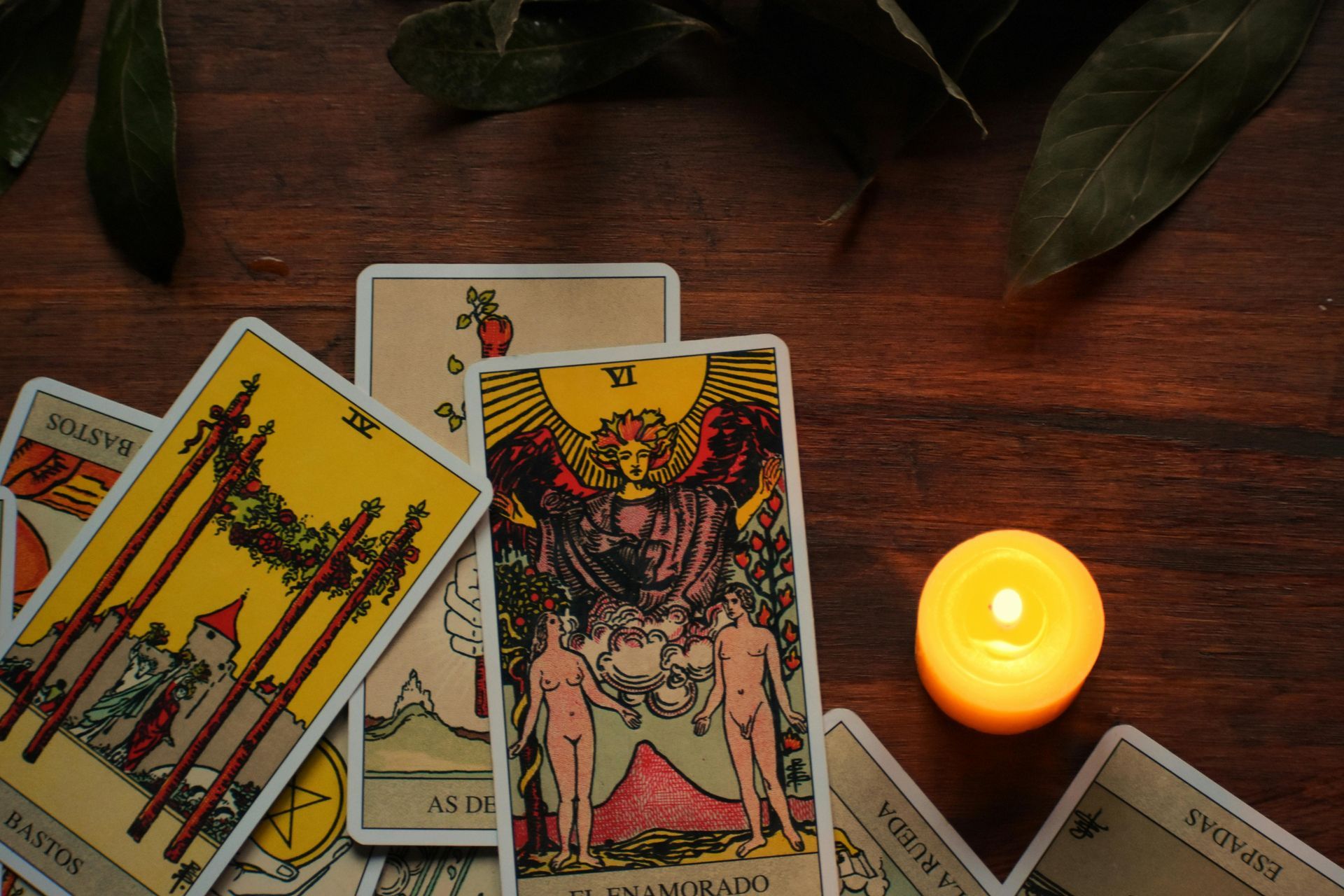
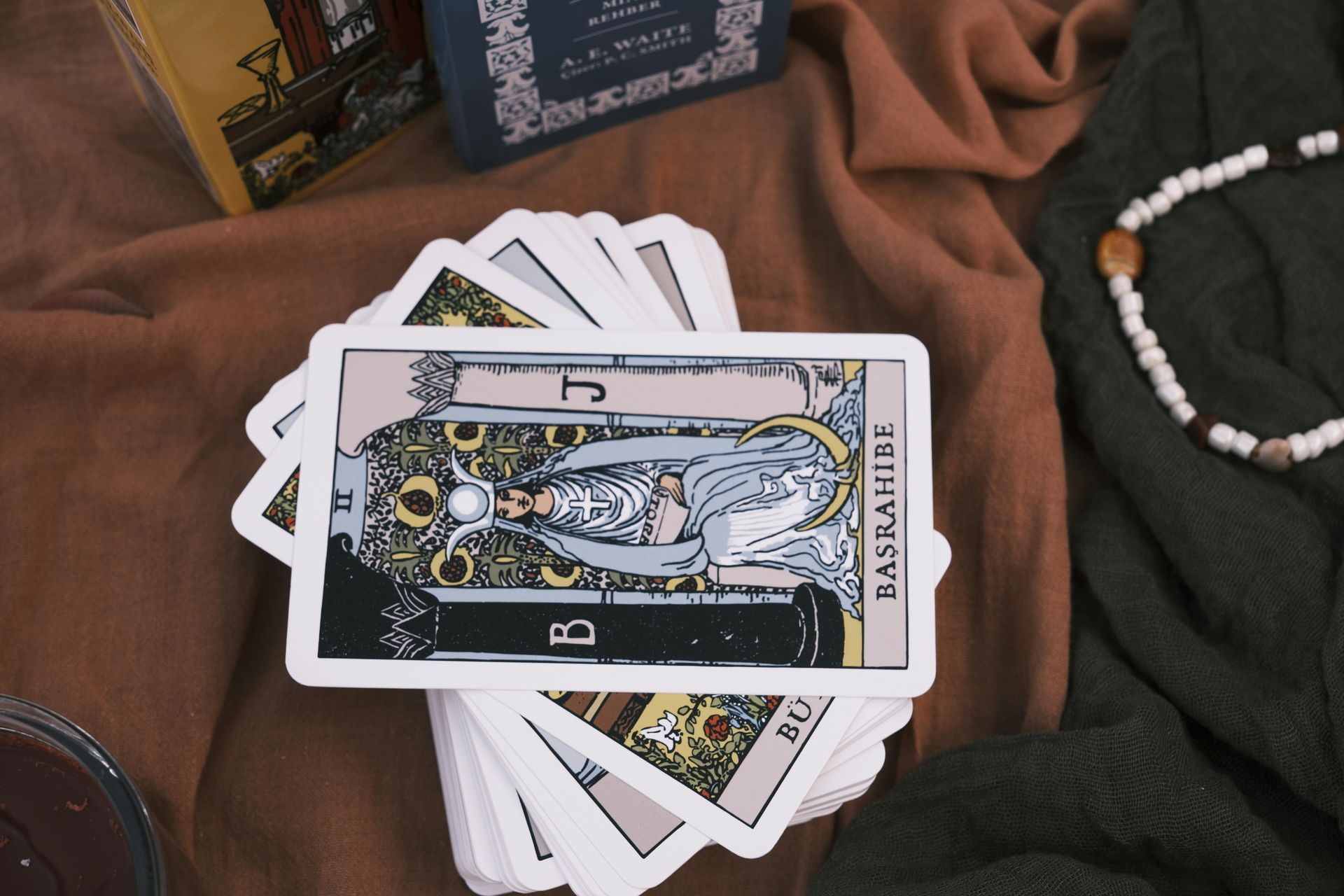
The 78 cards are divided into two primary categories: the Major Arcana and the Minor
Arcana. The Major Arcana consists of 22 cards. These cards represent overarching life
themes, major archetypal lessons, and significant shifts in a person's life path. They often
feature recognizable titles such as The Fool, The Empress, or The Tower. In a reading, these
cards generally indicate broader, foundational concepts rather than passing daily events.
The Minor Arcana comprises the remaining 56 cards. These cards reflect the day-to-day
experiences, minor challenges, and routine actions of human life. The Minor Arcana is
further divided into four distinct suits, much like a standard deck of playing cards. While the
names of the suits can vary slightly depending on the deck’s creator, they are traditionally
known as Cups, Wands, Swords, and Pentacles.
Each suit corresponds to a specific element and area of life. Cups generally represent water
and emotions; Wands align with fire and action; Swords connect to air and intellect; and
Pentacles relate to earth and the material world. Furthermore, each suit contains ten
numbered cards and four court cards (typically the Page, Knight, Queen, and King). Learning
tarot requires an individual to study how these numbers, elements, and suits interact to form a
cohesive meaning.
Exploring the Fluidity of Oracle Cards
If tarot is a structured language with strict grammatical rules, oracle cards operate more like
free verse poetry. There is no set standard for an oracle deck. The creator of the deck holds
complete creative control over the number of cards, the overarching theme, and the specific
message each card conveys. An oracle deck might contain 20 cards, or it might contain 80.
Oracle decks are typically centered on a specific concept or subject. Someone exploring this
practice might find decks dedicated entirely to botanical illustrations, animal symbolism,
geometric patterns, or simple daily affirmations. Because there is no universal system to
learn, oracle cards are often highly accessible for beginners.
The interpretation of an oracle card is usually straightforward. Many decks feature a central
word, phrase, or sentence printed directly on the card itself, providing an immediate focal
point for the reader. Additionally, oracle decks almost always come with a comprehensive
guidebook written by the creator. This book serves as the definitive resource for that deck,
explaining the intended meaning of the artwork and text.
Because oracle cards lack the complex internal relationships found in the tarot's Minor and
Major Arcana, they do not require weeks or months of memorization. A user can simply draw
a card, read the corresponding passage in the provided text, and reflect on how that specific
theme applies to their current situation.

The Difference Between Tarot and Oracle Cards in Practice
The difference between tarot and oracle cards becomes most apparent when examining how
they are actively used. Tarot is inherently relational. When a person performs a tarot reading,
they typically lay out multiple cards in a specific pattern, known as a spread. The meaning of
a single tarot card can shift significantly depending on its position in the spread and the other
cards surrounding it.
For example, a traditional three-card spread might represent the past, present, and future. The
reader must analyze how the suit of the first card transitions into the archetype of the second
card, creating a narrative arc. This requires synthesizing multiple pieces of information and
applying the established rules of the tarot system. It is an analytical and highly detailed
process.
Conversely, oracle cards are frequently used for singular, standalone focal points. While users
can certainly lay out multiple oracle cards, the most common practice is a single daily draw.
A person might pull one card in the morning to serve as a meditative prompt or a gentle
reminder for the day. Because the message of an oracle card is self-contained, it does not rely
on surrounding cards to provide context.
Tarot provides a granular, multifaceted examination of a situation, mapping out specific
actions, emotional states, and external influences. Oracle cards generally provide a broader,
softer, and more direct message. One is a detailed map, while the other is a single, clear
compass heading.
Practical Steps for Selecting Your First Deck
Selecting a deck is a personal process that requires assessing your educational goals and
visual preferences. The first step is determining the level of structural commitment you
desire. If you are interested in dedicating time to studying a historical system, learning
elemental associations, and analyzing complex card interactions, tarot is the appropriate
choice. If you prefer a tool that provides immediate, accessible reflection without the need for
memorization, an oracle deck is a better starting point.
Visual resonance is an equally critical factor. The artwork on the cards will serve as the
primary interface for your reflection. Examine the imagery on the box or on any available
sample cards. The visual style should be appealing and clearly legible to you. Some
individuals prefer minimalist, modern designs, while others connect better with rich, classical
paintings or nature-based photography.
Consider the deck's physical format. Oracle cards are often larger than standard tarot cards to
accommodate expansive artwork and printed text. Ensure the physical size of the cards is comfortable for your hands to shuffle and manage.
Finally, read the back of the box or scan the accompanying guidebook. The author's tone
should align with your preferences. Some guidebooks use highly poetic language, while
others are straightforward and practical. Selecting a deck with an accompanying text that you
find clear and engaging will significantly support your learning process.

Frequently Asked Questions
Can beginners start with tarot instead of oracle cards?
Yes, beginners can absolutely start with tarot. While the system requires study and memorization, it is highly structured, which appeals to many learners. There are numerous resources, books, and foundational decks designed specifically to help beginners understand the established 78-card system step by step..
Do you need to memorize all the cards in a deck?
Memorization is not a strict requirement for either type of deck. Oracle cards typically feature text on the card and include a guidebook for immediate reference. For tarot, while experienced practitioners often memorize the traditional meanings, beginners rely heavily on guidebooks. Over time, consistent use naturally leads to familiarity with the tarot system without the need for rote memorization.
Can you use tarot and oracle cards together?
It is a common practice to use both tools in a single session. A person might lay out a structured tarot spread to analyze the specific details of a situation, and then draw a single oracle card to serve as an overarching theme or final point of reflection for that reading. The two systems can complement each other effectively.
What is the main difference between tarot and oracle cards?
The primary distinction is structure. Tarot is a fixed system of 78 cards divided into the Major and Minor Arcana, requiring the user to learn a specific historical framework. Oracle cards have no set structure, number, or system; they are thematic, self-contained, and defined entirely by the deck's creator.
How do you physically care for a new deck?
Caring for a deck primarily involves protecting the physical card stock. Store the cards in their original box, a dedicated pouch, or a wrapped cloth to prevent bent edges and fading from direct sunlight. Keeping the cards in a clean, dry environment ensures the longevity of the artwork and the physical materials.
Conclusion
Navigating the variety of metaphysical tools available requires a clear understanding of how each instrument functions. The difference between tarot and oracle cards ultimately comes down to a choice between structured tradition and fluid accessibility. Tarot offers a deep, historical system of archetypes and elemental suits that requires dedicated study to synthesize complex narratives. Oracle decks provide immediate, thematic insights through self-contained messages and varied, flexible formats. By identifying whether you seek a comprehensive system to study or a straightforward tool for daily reflection, you can confidently select the deck that best aligns with your current educational and personal goals.